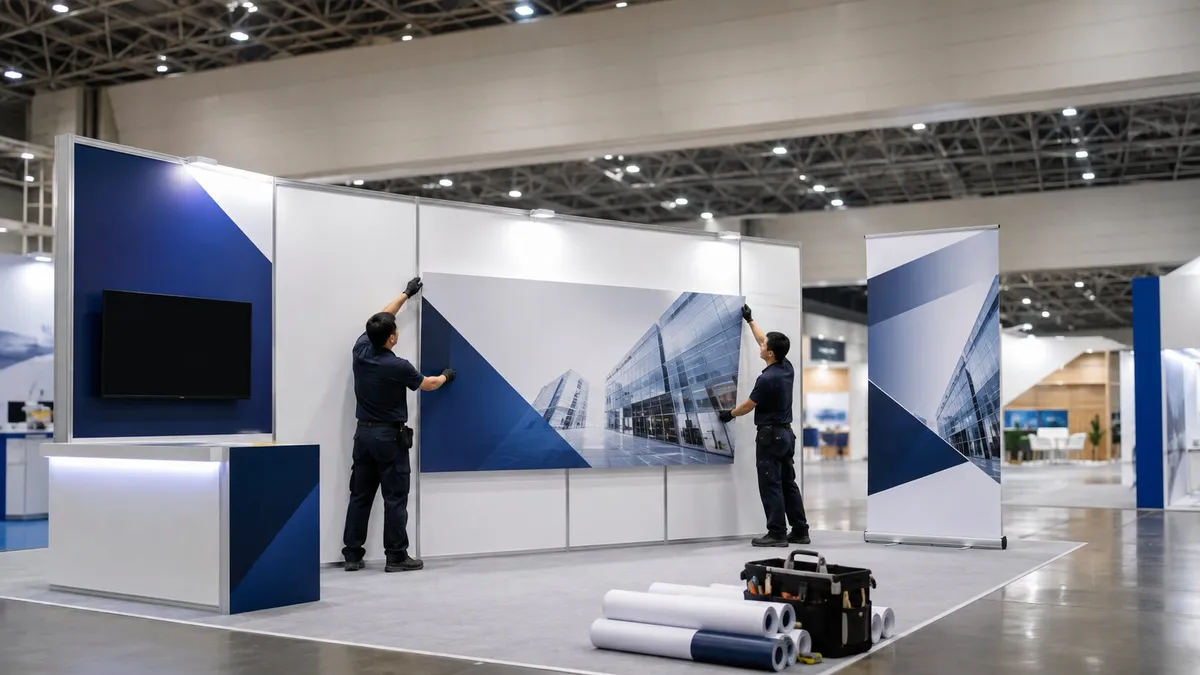
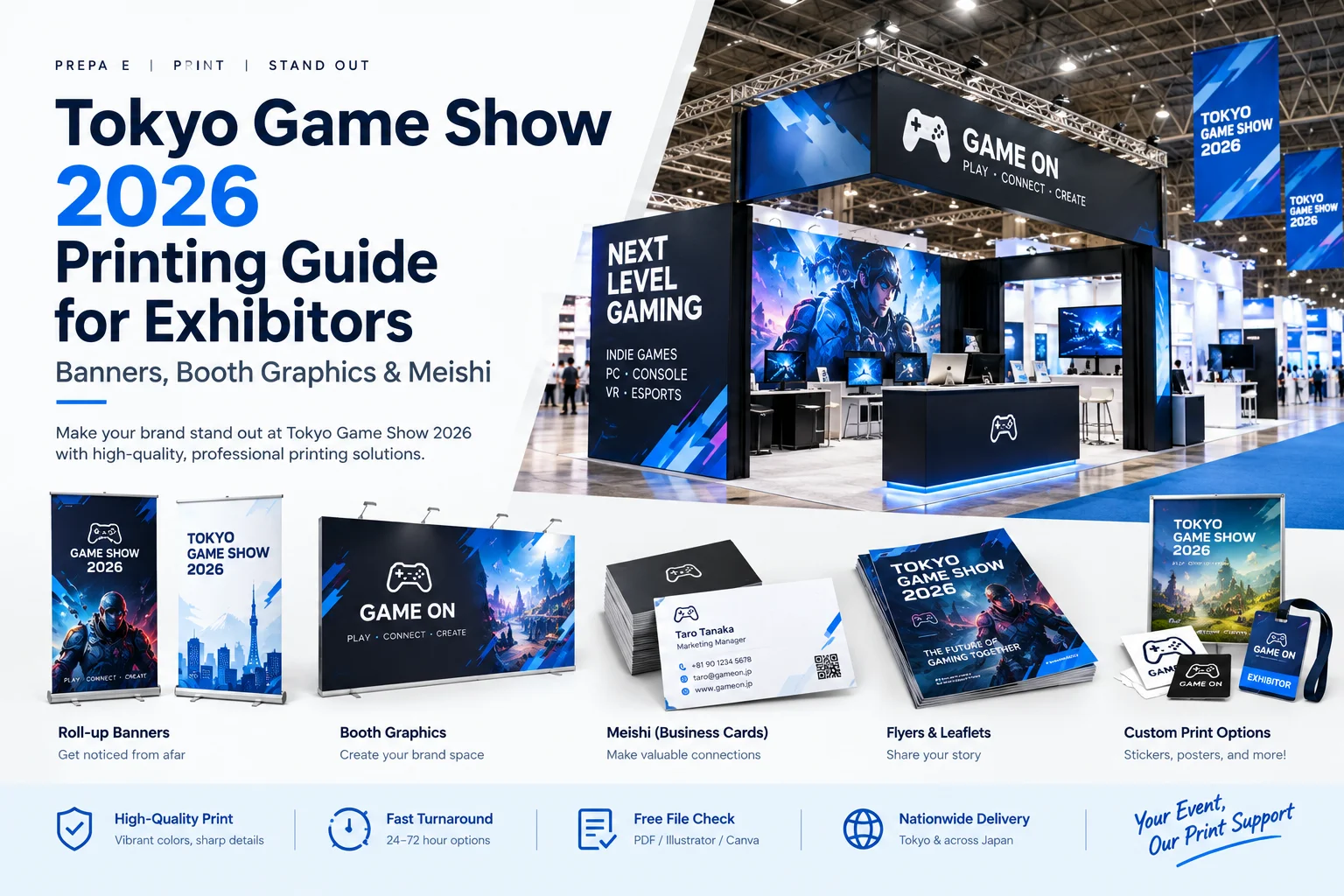
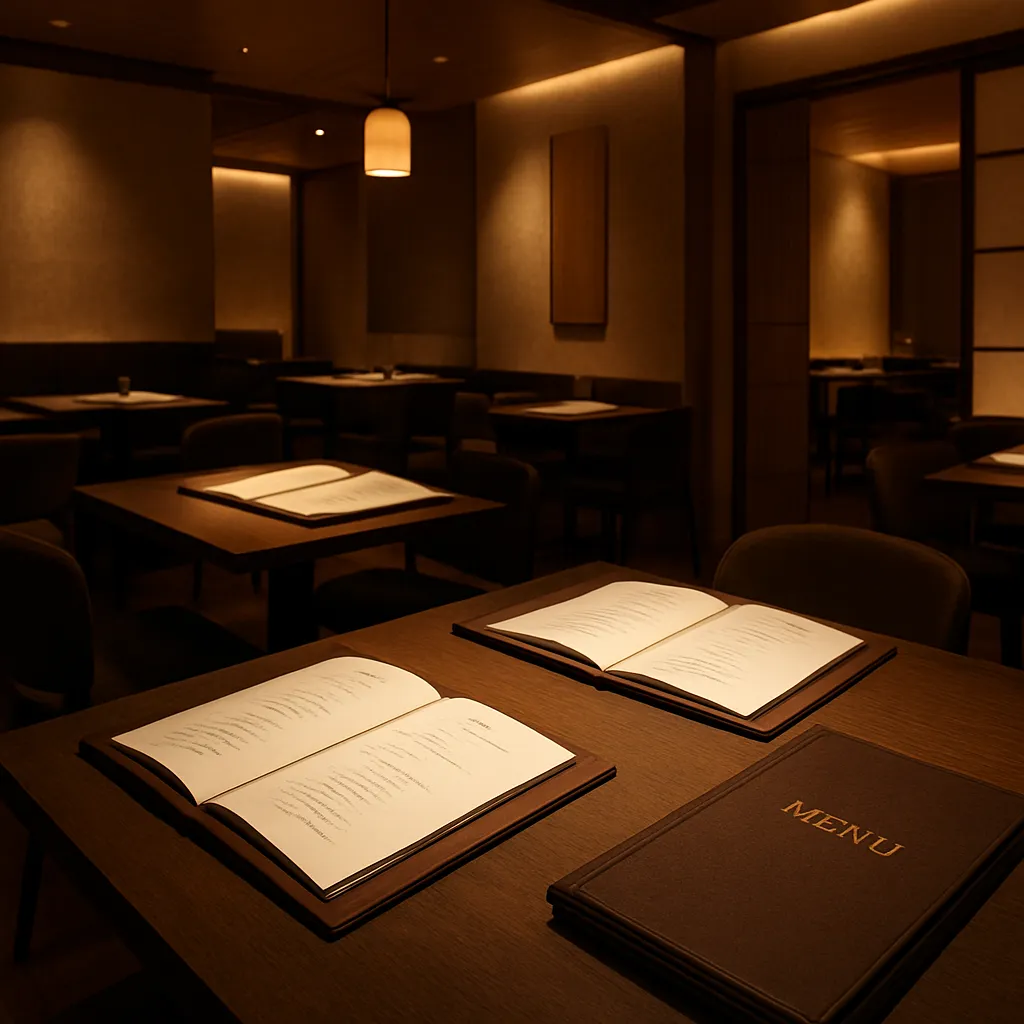
When ordering commercial printing in Japan, choosing standard off-the-shelf paper isn't always enough to make the right impression. Japanese business culture places immense value on presentation, tactile quality, and attention to detail (*Monozukuri* and *Omotenashi*). Whether you are presenting executive bilingual business cards (meishi) at a high-stakes Tokyo meeting, distributing tri-fold brochures at Tokyo Big Sight, displaying rigid foam board panels at Makuhari Messe, or presenting bound restaurant menu books in Ginza, the paper stock, texture, color profile, and finishing choices communicate your brand's credibility.
At Print Japan, we allow international businesses, marketing directors, event exhibitors, and creative agencies to select any custom requirement for all products—from specialty paper weights and custom paper colors to bespoke finishes and complete bilingual English/Japanese graphic design services.
In this comprehensive guide, we explain everything you need to know about specifying custom paper stocks, converting Japanese paper weights, selecting custom colors and spot inks, and utilizing native EN/JA design services when printing in Japan.
---
1. Understanding Japanese Paper Weight Standards: GSM vs. Shiroku-ban (四六判) Ream Weight (kg)
One of the most confusing aspects of ordering custom paper in Japan for international teams is how paper thickness is specified. While North America uses points/pounds and Europe uses metric GSM (grams per square meter), Japan's printing industry traditionally measures paper weight by the weight in kilograms (*kg*) of 1,000 sheets of a standardized base sheet size—most commonly Shiroku-ban (四六判, 788 × 1091 mm).
Choosing the right paper weight is critical for custom requirements. A paper that feels too thin or flimsy can diminish brand perception in Japan, whereas selecting an appropriate heavyweight stock conveys strength and permanence.
Japanese Ream Weight (kg) to Metric GSM Conversion Table
| Japanese Ream Weight (kg) | Metric GSM (g/m²) | Common Equivalent Feel | Ideal Product Applications |
|---|---|---|---|
| :--- | :--- | :--- | :--- |
| 55 kg | ~64 gsm | Thin copy paper / newsprint | Lightweight multi-page document inserts |
| 70 kg | ~81 gsm | Standard office printer paper | Internal office memos, mass flyer inserts |
| 90 kg | ~104 gsm | Sturdy letterhead / standard flyer | Economical flyers & leaflets, high-volume handouts |
| 110 kg | ~128 gsm | Smooth promotional brochure paper | Premium leaflets, inner pages for booklets |
| 135 kg | ~157 gsm | Substantial magazine cover / poster stock | Tri-fold brochures, indoor posters, menus |
| 180 kg | ~209 gsm | Medium board / heavy cover | Premium booklet covers, lightweight postcards |
| 220 kg | ~256 gsm | Heavy cardstock / standard meishi | Standard Japanese business cards (91×55 mm) |
| 260 kg+ | ~310 gsm+ | Extra-thick luxury board | Luxury meishi cards, premium invitations, tags |
When submitting custom requirements on Print Japan, you can specify either metric GSM or Japanese ream weight in kilograms. Our prepress team automatically converts and verifies paper specs with Japanese paper mills.
---
2. Choosing the Perfect Custom Paper Stock & Texture
The choice of paper surface texture heavily influences how colors absorb, how light reflects off your print, and how the material feels when held. We offer a full spectrum of custom paper stocks across all product categories:
A. Coated Gloss Paper (*Coated Paper / Coat-shi*)
Coated gloss paper features a smooth, reflective surface that enhances color saturation and contrast.
- Best for: Vivid photo graphics, food photography on restaurant menus, high-impact posters, and trade show flyers.
- Customization Options: Available in 90kg (104gsm), 110kg (128gsm), 135kg (157gsm), and 180kg (209gsm) weights.
B. Silk Matt Coated Paper (*Matte Coat-shi*)
Silk matt paper provides a low-glare, velvety smooth surface that combines rich graphic reproduction with effortless readability under bright exhibition lights.
- Best for: Trade show handouts, corporate tri-fold pamphlets, exhibition catalog covers, and luxury product inserts.
- Why Choose It: Prevents harsh overhead reflection at exhibition halls like Tokyo Big Sight and Pacifico Yokohama.
C. Uncoated & Natural High-Grade Papers (*Jokyo-shi / Fine Paper*)
Uncoated papers have a natural, non-glossy fiber finish that absorbs ink slightly, creating a warm, organic, and highly professional feel.
- Best for: Bilingual business cards, corporate stationery, letterheads, and writeable event response cards.
- Why Choose It: Uncoated stocks make it effortless for Japanese clients to jot down notes on business cards or postcards during business meetings.
D. Textured Linen, Felt & Specialty Art Papers (*Takeo / NTT Fine Paper*)
For brands seeking an undeniable tactile luxury experience, we source Japanese specialty fine papers including textured linen, felt weave, metallic shimmer board, and heavy cotton rag stocks.
- Best for: Executive business cards, VIP event invitations, gala dinner programs, and luxury retail tags.
- Customization Options: Available upon request via our Custom Requirement Selector or WhatsApp consultation.
E. Eco Recycled & Kraft Brown Stock
Made from post-consumer recycled fibers or unbleached natural kraft fibers, these stocks project environmental responsibility and artisan craftsmanship.
- Best for: Eco-friendly brand promotions, organic café menus, sustainable event collateral, and craft packaging inserts.
F. Synthetic YUPO & Waterproof PET Media
Synthetic resin-based papers (*YUPO*) are tear-proof, chemical-resistant, and 100% waterproof.
- Best for: Outdoor flex banners, high-use restaurant menus, outdoor stickers, and trade show graphics.
---
3. Selecting Custom Paper Colors, Inks & Special Finishes
Customizing your print collateral goes beyond paper weight and texture—it includes custom paper background colors, specialized inks, and tactile finishing techniques that make your collateral impossible to ignore.
Custom Color Specifications & Ink Matching
- 1**Full-Color CMYK Process (*Japan Color 2001 Coated*):** Standard 4-color offset or high-resolution digital printing optimized for Japanese printing presses.
- 2Pantone & DIC Spot Color Matching: When exact corporate brand color matching is required (e.g. Pantone 185C or Japanese DIC spot colors), we calibrate offset presses for zero color variation.
- 3White Ink Printing on Tinted & Black Paper Stocks: Print opaque white text or graphics onto rich black, navy, dark kraft, or custom-tinted paper boards without color bleeding.
- 4Tinted & Colored Paper Boards: Choose from a wide selection of pre-dyed colored boards (deep black, navy blue, crimson red, forest green, warm ivory, and pastel shades).
Bespoke Finishes & Tactile Enhancements
- **Hot Foil Stamping (*Hakuoshi*):** Press metallic or matte foil into your paper using heat and custom dies. Available in Gold, Silver, Rose Gold, Matte Black, Copper, and Holographic foils.
- **Selective Spot UV Varnish (*UV Nisu*):** Apply a high-gloss raised resin layer to specific logos, text, or background patterns to create striking light reflection and tactile contrast against matt surfaces.
- **Lamination (*Film PP Processing*):** Protect your print materials with ultra-durable Gloss Lamination, Matte Lamination, or velvety Soft-Touch Lamination.
- **Rounded Corners & Die-Cutting (*Kadomaru & Die-Cut*):** Soften card edges with 3mm or 6mm rounded corners, or die-cut custom shapes for stickers, labels, and promotional boards.
- Precision Creasing & Machine Folding: Score heavy cardstock (over 135kg) prior to folding to eliminate spine cracking on tri-fold brochures and booklets.
---
4. Bilingual EN/JA Graphic Design & Prepress Services
Even the finest paper stock and custom finishes will fail if the underlying visual layout, typography, or language alignment is flawed. Printing in Japan requires adhering to strict local prepress conventions:
Japanese Prepress Rules You Must Know
- 1**3mm Artwork Bleed (*Tachiotoshi*):** Japanese offset cutting equipment requires a full 3mm bleed on all four outer edges. If artwork lacks bleed, white paper borders appear during trimming.
- 2**Font Outlining (*Path Conversion*):** Non-Japanese fonts must be converted to vector outlines in Adobe Illustrator or PDF files to prevent font substitution errors on Japanese RIP software.
- 3Color Profile Calibration: Convert digital RGB graphics to CMYK using the *Japan Color 2001 Coated* profile to prevent color shift during press runs.
- 4Japanese Business Card Dimensions: Standard Japanese business cards (*meishi*) measure 91 × 55 mm (different from US 3.5×2.0 in or European 85×55 mm cards). Using exact 91×55 mm dimensions ensures cards fit into Japanese cardholders and album slots.
Native Bilingual Layout Design & Translation Support
Our in-house design team specializes in bilingual English/Japanese layout creation:
- Katakana Transliteration: Translating foreign executive names and addresses into natural Japanese Katakana.
- Cultural Title Alignment: Formatting Japanese corporate titles (e.g. *Daihyō Torishimariyaku*, *Buchō*, *Kachō*) correctly for business exchange etiquette (*Meishi Koukan*).
- Typesetting Harmony: Balancing Japanese fonts (Gothic / Mincho) with modern Western sans-serif typography so both languages read cleanly without visual crowding.
---
5. How to Select & Order Custom Requirements with Print Japan
We have made specifying custom requirements seamless for international clients ordering anywhere in Japan:
Step 1: Browse Product Pages & Use the Custom Requirement Selector
Navigate to any product page—such as Business Cards, Flyers & Leaflets, Tri-fold Brochures, Booklets, Postcards, or Roll-up Banners. Scroll to the Custom Requirement Selector block.
Step 2: Choose Your Bespoke Options
Select your preferred size, paper stock & weight, paper color & ink specifications, design/typesetting needs, and special finishes (Spot UV, Foil Stamping, Lamination, etc.).
Step 3: Add Custom Notes & Contact Us
Enter any specific Pantone color codes, custom dimensions, venue deadlines, or special instructions in the notes area. Then click Send Custom Requirements via WhatsApp or Request Custom Online Quote.
Step 4: Free Proof & Express Nationwide Delivery
Our prepress team will verify your brief, provide a free digital PDF proof and quote in plain English, and proceed with production once approved. We deliver directly to your office, hotel, or trade show booth at venues like Tokyo Big Sight, Makuhari Messe, Pacifico Yokohama, INTEX Osaka, Nagoya Congress Center, and Kyoto ICC.
---
Summary Checklist for Custom Printing in Japan
- [x] Specify Paper Stock: Coated Gloss, Silk Matt, Uncoated Natural, Textured Linen, Kraft, or Waterproof YUPO.
- [x] Check Paper Weight: Convert GSM to Japanese ream weight in kilograms (90kg=104gsm, 110kg=128gsm, 135kg=157gsm, 220kg=256gsm).
- [x] Select Paper & Ink Colors: CMYK, Pantone/DIC spot color matching, or White Ink on dark stocks.
- [x] Choose Finishes: Hot foil stamping, selective Spot UV, soft-touch lamination, or rounded corners.
- [x] Verify Prepress: 3mm bleed (*tachiotoshi*), CMYK color space, vector fonts outlined.
- [x] Ensure Bilingual Clarity: English on one face, Japanese Katakana/translation on the reverse.
- [x] Specify Venue Delivery: Hotel hold or direct exhibition hall booth delivery.
Need advice on choosing the perfect custom paper stock, color scheme, or design layout for your next project in Japan? Message us on WhatsApp or request an instant online quote today!
Need to print in Japan?
Get an instant quote or message us on WhatsApp. Everything handled in English.